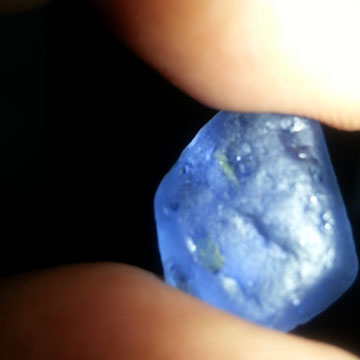
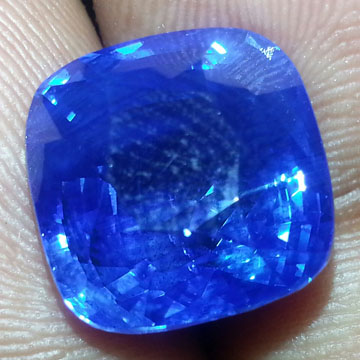
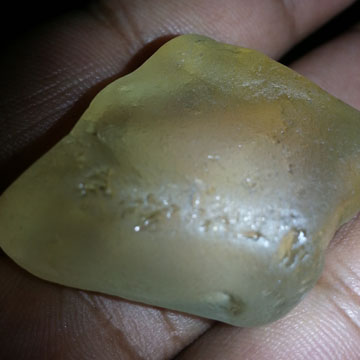
Gem

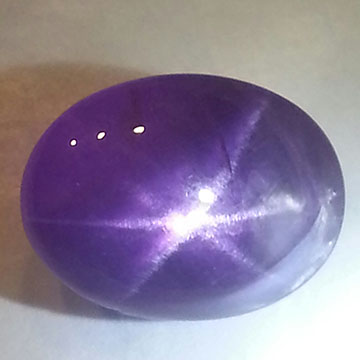
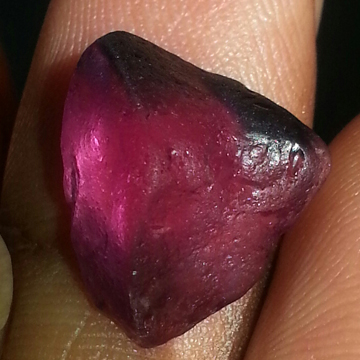
- The name 'Ratnapura' is a Sanskrit word meaning "city of gems", derived from the Sanskrit words pura (town) and ratna (gemstone), established well over 2000 years.
It is the center of a long-established industry of precious stone mining and polishing, including rubies, sapphires and other gems. Apart from gem mining, the city is known for the production of rice and fruit. Large plantations of tea and rubber surround the city. Tea grown in this region is called low-country tea. There is a well-established tourism industry in Ratnapura. Nearby Sinharaja Forest Reserve, Udawalawe National Wild life Park, Kitulgala water sports, and Adam's Peak, are especially popular among tourists.
The people of the town, largely depend on the gem trade. Gem pits are common sights in the surrounding area. Most of the large-scale gem businessmen of Sri Lanka operate from Ratnapura and Pelmadulla. There are considerable numbers of foreign gem traders in this city, who have recognized the value of the gems found there.
There are numerous gem mines located around the area, especially in paddy fields on lower ground. The mines are generally around 10 m (33 ft) to 50 m (160 ft) deep. Portable hand operating tools used for the mining process, include shovels, picks, pans (specially made from bamboo) and cradles. Once the soil is extracted from the mine, water is used to wash the dirt and mud away using pans and any gemstones, which are naturally heavier than normal stones, will remain at the bottom of the pan.
We have been doing this trade since 1950, my grandparents are from the Southern part of the country, and moved to Ratnapura/Pelmadulla and started a restaurant. While doing this business, they invested in Gem mines and had succeeded considerably in the gem Trade. We own a considerable extent of valuable gem bearing lands in the area.